Gut healthy meals for seniors often combine fiber-rich plant foods, protein, fluids, and familiar ingredients that are realistic to prepare and enjoy. Foods such as oatmeal, lentils, vegetables, fruit, yogurt, fish, eggs, and whole grains can fit into this type of eating pattern.
The seven-day meal plan below offers a flexible starting point for older adults and caregivers. Portions, ingredients, and textures should be adjusted for appetite, food preferences, allergies, medical needs, and advice from a healthcare professional.

Care Assessment
Discover the level of care you or your family member requires.
What Makes a Meal Gut-Healthy?
A gut-healthy meal supports overall nutrition while providing foods that help the digestive system work normally. It does not need to contain unusual ingredients or follow a strict diet.
Several components can help create a balanced meal:
- Fiber-rich foods: Oats, beans, lentils, berries, vegetables, fruit, and whole grains provide dietary fiber.
- Protein: Eggs, fish, chicken, yogurt, tofu, beans, and lentils can help make meals more complete.
- Fluids and water-rich foods: Water, soups, fruit, and cooked vegetables can contribute to hydration.
- Fermented foods: Yogurt or kefir with live cultures may fit into the diet when dairy is tolerated.
- Variety: Different fruits, vegetables, grains, and protein foods provide a wider range of nutrients.
Fiber is found in plant foods and plays an important role in healthy digestion. However, adding a large amount at once may cause gas, bloating, or cramping. MedlinePlus guidance on dietary fiber recommends increasing it gradually over several weeks and drinking enough fluid.
Soft texture and gut health are not the same thing. A softer meal may be easier for someone to chew, but that does not automatically make it better for digestion. Food texture should be adjusted separately based on the person’s comfort and needs.
Key Takeaway: Start with familiar foods, add fiber gradually, include a protein source, and adjust portions and textures for the older adult eating the meal.
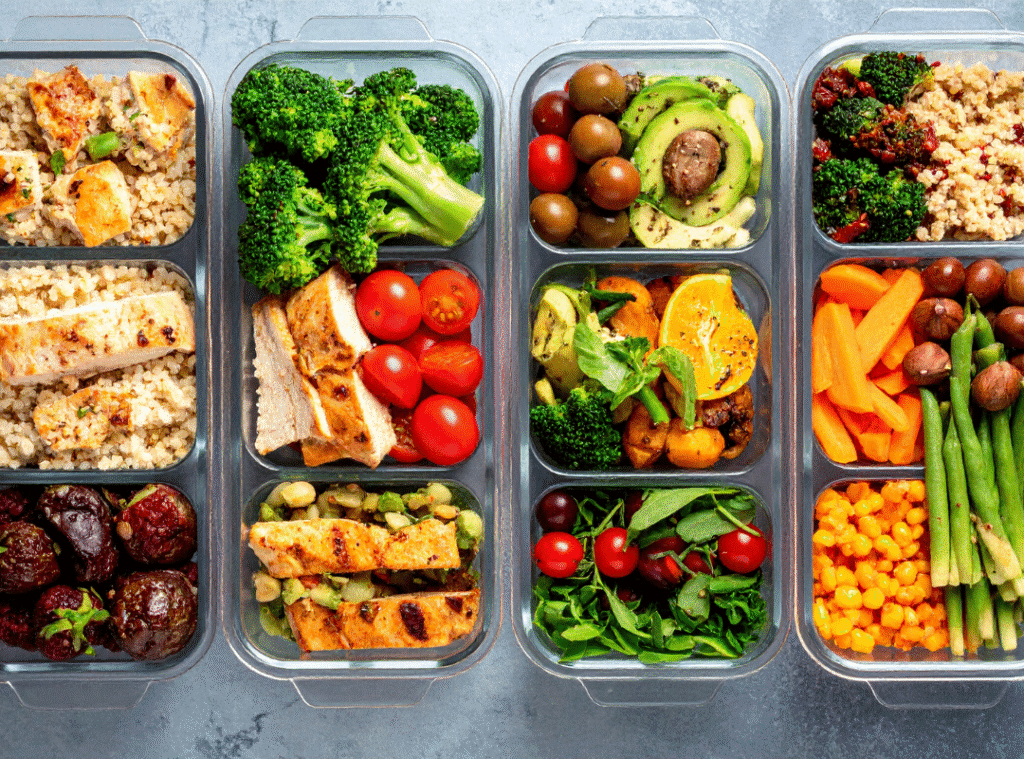
A Simple Formula for Building Gut Healthy Meals
A basic formula can make meal planning easier:
- Choose a fiber-containing food. Try oatmeal, whole-grain toast, brown rice, quinoa, beans, lentils, fruit, or vegetables.
- Add a protein. Options include eggs, yogurt, fish, chicken, turkey, tofu, beans, or lentils.
- Include fruit or vegetables. Choose what is available, affordable, and comfortable to eat.
- Add fluid. Serve water or another suitable drink. Soup and water-rich produce can also contribute to fluid intake.
- Adjust the meal. Change the portion, seasoning, or texture based on appetite and tolerance.
For example, oatmeal can be topped with banana and a small amount of chia seeds, then served with yogurt if dairy is tolerated. A lunch could combine lentil soup, soft vegetables, and whole-grain toast.
These are meal-building examples, not prescribed diets. An older adult with a medical condition or a restricted diet may need different ingredients.
Easy Gut Healthy Meal Ideas for Seniors
The following ideas use familiar ingredients and require relatively few preparation steps.
| Meal Time | Simple Meal Idea | What It Adds |
| Breakfast | Oatmeal with banana and chia seeds | Oats, fruit, and seeds provide fiber |
| Breakfast | Plain yogurt with berries | Protein, fruit, and live cultures are listed on the yogurt label |
| Breakfast | Scrambled eggs with whole-grain toast | Protein and a fiber-containing grain |
| Lunch | Lentil soup with cooked vegetables | Lentils provide fiber and plant-based protein |
| Lunch | Quinoa bowl with roasted vegetables | Whole grains and a variety of plant foods |
| Dinner | Baked salmon with sweet potato | Protein with a fiber-containing vegetable |
| Dinner | Chicken, brown rice, and cooked spinach | Protein, whole grains, and vegetables |
| Snack | Applesauce with plain yogurt | Fruit with an optional protein source |
| Snack | Oatmeal with berries | Whole grains and fruit in a small serving |
For a dairy-free option, use an unsweetened fortified alternative that fits the person’s dietary needs. Check the label because protein, added sugar, and live-culture content vary widely among products.
Vegetarian substitutions can include tofu, lentils, chickpeas, beans, eggs, or yogurt. People following a fully plant-based diet may need help ensuring they receive enough protein and certain nutrients.
Flexible 7-Day Gut Healthy Meal Plan for Seniors
This sample plan repeats several ingredients in different ways. That can simplify grocery shopping, reduce the number of foods that need to be prepared, and make leftovers easier to use.
| Day | Breakfast | Lunch | Dinner |
| Day 1 | Oatmeal with banana | Lentil soup and whole-grain toast | Baked salmon with sweet potato |
| Day 2 | Yogurt with berries | Quinoa and roasted vegetable bowl | Chicken, brown rice, and cooked spinach |
| Day 3 | Soft scrambled eggs and whole-grain toast | Tomato and white bean soup | Baked white fish with cooked carrots |
| Day 4 | Kefir or yogurt smoothie with fruit | Chickpea and cucumber bowl | Turkey and vegetable stew |
| Day 5 | Oatmeal with cooked apples | Vegetable soup with toast | Tofu with roasted vegetables and rice |
| Day 6 | Yogurt with oats and berries | Brown rice bowl with chicken and vegetables | Pasta with olive oil and cooked vegetables |
| Day 7 | Avocado toast with egg | Lentil and spinach soup | Baked chicken with quinoa and squash |
Small snacks can be added when needed. Options may include fruit, yogurt, whole-grain crackers, applesauce, or a small serving of nuts or seeds when these foods are safe and comfortable to eat.
This plan has not been individually analyzed for calories, protein, fiber, sodium, or other nutrient needs. Serving sizes should reflect the person’s appetite and instructions from their doctor or dietitian.
Someone managing diabetes, kidney disease, food allergies, swallowing concerns, or another condition may need significant changes to the plan.
How to Adapt the Plan
A meal plan is only useful when the person will eat it. Preferences, culture, appetite, cooking ability, and physical needs should guide the final choices.
For Picky Eaters
Avoid replacing several familiar foods at once. Instead, introduce one small change alongside a food the person already enjoys.
Examples include:
- Mixing a small amount of oats into yogurt
- Adding a few berries to a familiar breakfast
- Blending lentils into a vegetable soup
- Serving whole-grain and refined-grain foods together at first
- Adding one cooked vegetable to a preferred dinner
Gradual changes may be easier to accept and can also reduce discomfort when more fiber is introduced.
For Vegetarian Meals
A vegetarian meal should include more than vegetables alone. Add a meaningful source of protein, such as lentils, beans, chickpeas, tofu, eggs, yogurt, or another suitable alternative.
For example, a quinoa bowl can include roasted vegetables and chickpeas. Vegetable soup can be paired with beans and whole-grain toast. Oatmeal can be served with yogurt, fortified soy milk, nuts, or seeds when appropriate.
For Chewing or Texture Needs
Foods can be cooked until tender, chopped into smaller pieces, mashed, or blended when needed. Examples include soft oatmeal, mashed sweet potato, tender fish, scrambled eggs, cooked vegetables, and smooth soups.
Difficulty swallowing is different from preferring soft food. Coughing during meals, choking, a wet-sounding voice after eating, or repeated swallowing problems should be discussed with a healthcare professional rather than managed through general online meal advice.
Make the Week Easier
Preparing seven completely different meals can create more work than necessary. A simpler approach is to prepare a few components and use them more than once.
For example:
- Cook a pot of oatmeal for several breakfasts.
- Prepare lentil soup for one lunch and freeze another portion.
- Cook brown rice or quinoa for bowls and dinner sides.
- Bake chicken once and use it in two separate meals.
- Wash and portion fruit for breakfasts and snacks.
- Cook vegetables until tender, then use them in soups, bowls, or side dishes.
Keep sauces and toppings separate when possible so the same ingredients can taste different from one meal to the next.
Food Safety When Preparing Ahead
Adults age 65 and older have a higher risk of becoming seriously ill from foodborne germs. The CDC’s food safety guidance recommends washing hands and surfaces, separating raw foods from ready-to-eat foods, cooking foods thoroughly, and refrigerating prepared food promptly.
Label leftovers with the preparation date. Thaw frozen meals safely rather than leaving them on the counter, and reheat food thoroughly before serving.
Avoid unpasteurized dairy products, undercooked eggs, raw or undercooked meat and seafood, and other higher-risk foods unless a healthcare professional has said they are appropriate.
When a General Meal Plan Is Not Enough
General gut-healthy meals cannot diagnose or treat digestive problems. Individual advice may be needed when an older adult has:
- Ongoing stomach pain, diarrhea, constipation, or bloating
- Unplanned weight loss
- A major change in appetite
- Trouble chewing or swallowing
- Food allergies or intolerances
- Diabetes, kidney disease, or another condition affecting food choices
- A medically prescribed diet
- Questions about interactions between food and medication
A doctor or registered dietitian can help determine whether symptoms relate to food, medication, illness, hydration, or another cause.

Support With Daily Meals at My Elderly Home
Some families need more than a weekly meal plan. They may also be looking for consistent daily meals and broader personal support.
My Elderly Home in North Hollywood offers nutritious meal programs and Personalized Care as part of its approved Assisted Living, Memory Care, and Hospice services.
Families can schedule a tour of My Elderly Home or call 818-919-6499 to ask questions and explore whether the community may fit their needs.
Families considering how meals are handled in a care setting may also find it useful to understand how assisted living menus balance nutrition and variety.
Cost Comparison
Compare The Costs of Senior Living vs Staying at Home
Frequently Asked Questions
What Ingredients Are Commonly Used in Easy Gut-Friendly Meals?
Common ingredients include oatmeal, lentils, beans, whole grains, fruit, vegetables, yogurt, kefir, eggs, fish, chicken, and tofu. A practical meal usually combines a fiber-containing food with protein and fluids. Ingredients should be adjusted for allergies, medical needs, texture requirements, and personal tolerance.
How Can Beginners Create a Simple Gut-Healthy Meal Plan?
Start with several familiar foods the person already enjoys. Choose two or three breakfasts, lunches, and dinners that share ingredients, then repeat them during the week. Add fiber-rich foods gradually rather than changing the entire diet at once.
What Are Practical Gut-Friendly Breakfast Ideas for Busy Mornings?
Practical choices include oatmeal with fruit, yogurt with berries, scrambled eggs with whole-grain toast, or an overnight oat mixture prepared in advance. Choose options that are easy to portion and comfortable to eat. Products such as yogurt and breakfast cereals should be checked for added sugar, protein, and live cultures.
How Can Picky Eaters Add More Fiber-Rich Foods Gradually?
Begin with a small serving alongside a familiar food. Add berries to yogurt, mix beans into soup, or combine whole grains with a preferred refined grain. Increase the amount slowly and include enough fluid, since a sudden increase in fiber may cause gas or bloating.
What Should Someone Consider When Choosing Vegetarian Meals for Gut Health?
Include a protein source instead of building the meal around vegetables alone. Beans, lentils, chickpeas, tofu, eggs, yogurt, nuts, and seeds may be useful depending on the person’s diet and chewing ability. Consider protein, overall variety, fortified foods, and any medical restrictions rather than assuming every vegetarian meal is automatically balanced.