
Memory care Los Angeles, CA refers to structured residential support for older adults living with memory loss, dementia, or Alzheimer’s-related needs, helping families compare safety, routines, personal care, meals, activities, and a setting where their loved one can receive steady guidance each day.
At My Elderly Home in North Hollywood, families can explore Memory Care in a setting that also offers Assisted Living and Hospice. If you are weighing care options for someone you love, these points can help you review needs, compare support, and prepare for a more confident next step.
What Memory Care in Los Angeles, CA Means for Families
Memory care is structured residential support for older adults living with memory loss, dementia, or Alzheimer’s-related needs. It focuses on daily routines, safety, personal care, meals, activities, and family confidence.
The need for thoughtful memory support continues to grow. The Alzheimer’s Association 2026 Facts and Figures report reports that an estimated 7.4 million Americans age 65 and older are living with Alzheimer’s in 2026. For families comparing memory care ca options, My Elderly Home provides Memory Care services in North Hollywood for families in the Los Angeles area. Families comparing care options may also find Assisted Living and Memory Care in Los Angeles: A Guide for Families useful when deciding which level of support may fit their loved one.
Signs It May Be Time to Review Memory Care Options
It may be time to review memory care options when daily life at home starts to feel less safe or harder to manage. You may notice more confusion, missed meals, changes in hygiene, wandering concerns, or growing stress for family caregivers.
These changes can be hard to face, especially when your loved one still has familiar routines and clear moments. The Family Caregiver Alliance explains that dementia-related behaviors can be shaped by triggers, environment, fear, fatigue, or a loss of control, which is why patient support and calm routines matter.
What to Look for in the Best Memory Care Facilities Los Angeles Families Can Trust
Families often search for the best memory care facilities Los Angeles when they want more than a list of options. They want a setting that feels calm, personal, and steady enough for someone whose needs may change over time.
A thoughtful memory care program Los Angeles families can trust should support daily life with care that feels clear and personal. At My Elderly Home, relevant features include personalized care, engaging activity areas, nutritious meal programs, relaxing common lounges, wellness and fitness spaces, and gardens and outdoor spaces.
Memory Care Costs in Los Angeles: What Families Should Review
Memory care costs in Los Angeles can vary based on care needs, support level, services, and the living environment. The clearest approach is to review value, care fit, and what is included before comparing options.
A table can help families focus on the most useful questions during their review:
| What to Review | Why It Matters |
| Care needs | Helps clarify the right level of daily support |
| Memory care programming | Shows how routine and engagement are supported |
| Meals and wellness spaces | Reflects the quality of daily living |
| Location | Helps families stay connected through visits |
| Services offered | Clarifies whether Memory Care, Assisted Living, or Hospice may fit |
| Tour experience | Gives you a clearer sense of the setting and care style |
For a clearer next step, families can use the cost comparison resource to review care needs in a more organized way.
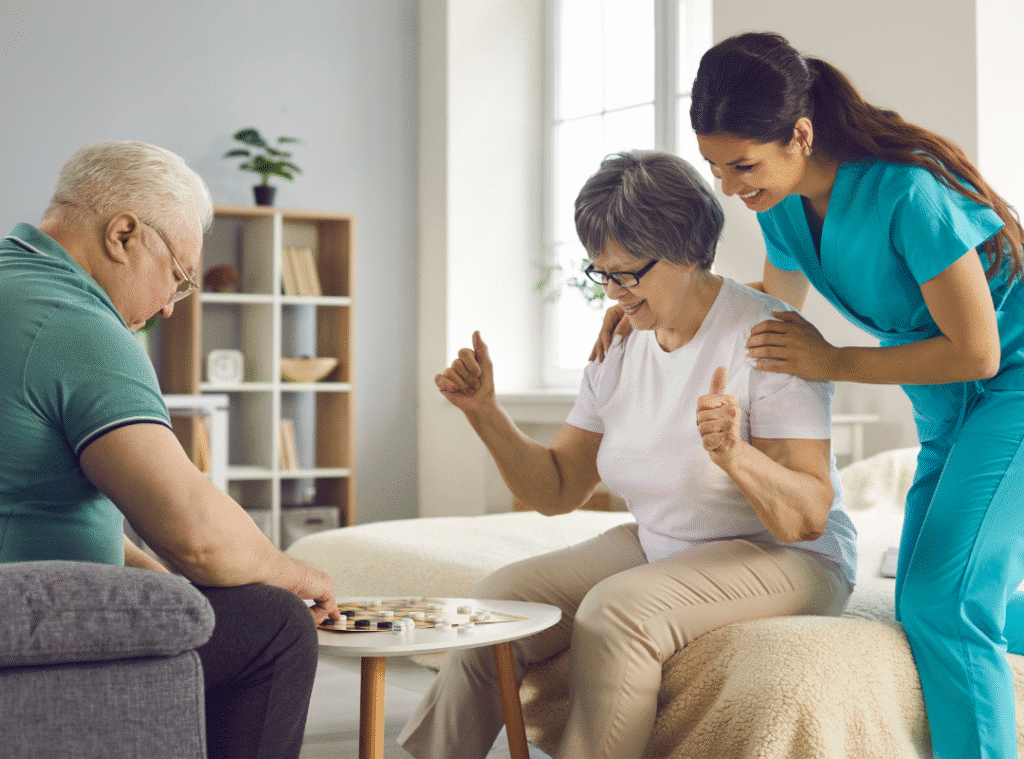
Memory Care, Dementia Care, Assisted Living, and Hospice Support
Memory Care vs. Dementia Care
Memory care and dementia care are closely related, but they are not always the same term. Dementia care Los Angeles searches may include many types of support for people living with dementia, while memory care often describes a structured residential setting focused on memory-related needs, daily routines, personal care, and supportive engagement. The National Institute on Aging is also a helpful educational resource for families learning about Alzheimer’s and dementia.
Where Assisted Living or Hospice May Fit
Assisted Living may be part of the conversation when your loved one needs daily personal support but may not require the same level of memory-focused structure. Hospice may come into the conversation when families are discussing comfort-focused support during a more advanced stage of care. Because My Elderly Home offers Memory Care, Assisted Living, and Hospice, families can ask which service best matches their loved one’s current needs, safety concerns, and day-to-day support.
Questions to Ask During a Memory Care Tour
A memory care tour should help you picture daily life, not just compare services. The right questions can give you a better sense of how your loved one may be supported throughout the day.
Helpful questions include:
- How is care personalized for each resident?
- What does a typical day look like?
- How are meals and activities supported?
- What spaces are available for relaxing, wellness, and outdoor time?
- How do families stay involved?
These questions can make the tour feel more focused and help you compare memory care facilities near me with more confidence.
Explore Memory Care at My Elderly Home in North Hollywood
Choosing memory care is a personal decision, and it often comes after many small concerns have started to add up. My Elderly Home supports families looking for Memory Care in North Hollywood, with locations at 7502 N Beck Ave, North Hollywood, CA 91605, and 11517 W Cohasset St, North Hollywood, CA 91605.If you are ready to see how the setting feels for your loved one, you can schedule a tour or contact us with your questions. A visit can help you move from uncertainty to a clearer, calmer next step.
Frequently Asked Questions
How much does memory care cost in Los Angeles?
Memory care costs in Los Angeles can vary based on care needs, support level, services, and the living setting. Families should review what care is included and how the support matches their loved one’s daily needs. A tour or care conversation can help clarify the right fit. My Elderly Home can help families review next steps in a calm, personalized way.
What is the difference between memory care and dementia care?
Memory care is often a structured residential care option for people with memory-related needs. Dementia care is a broader term for support provided to someone living with dementia. In many cases, memory care includes dementia care as part of daily support. Families should ask how routines, meals, activities, and personal care are handled before choosing a setting.
What is the 90-second rule for dementia patients?
The 90-second rule is a communication approach that encourages caregivers to pause, stay calm, and give the person time before redirecting or responding. It can help reduce tension during moments of confusion or distress. The goal is to respond with patience instead of pressure. Families should use this as general communication guidance, not as medical advice.